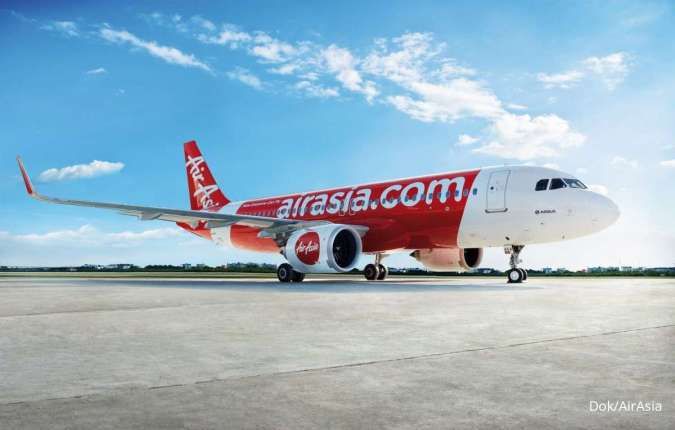
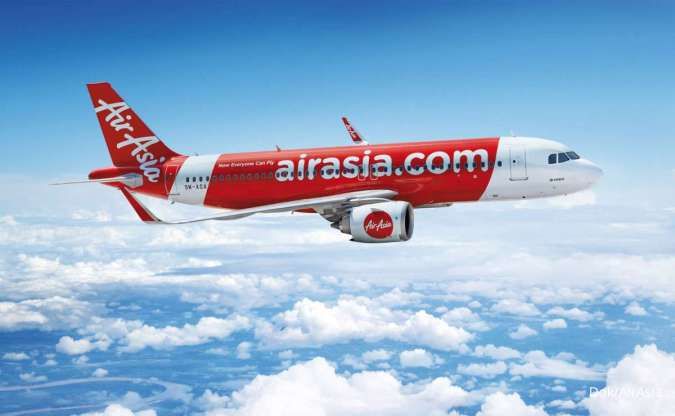
KONTAN.CO.ID - The Malaysian government has urgently initiated multi-layered financial contingency plans as low-cost carrier pioneer AirAsia faces severe balance-sheet distress, driven by a catastrophic 66% sequential explosion in jet fuel prices during Q2-2026. According to a Reuters report published on Wednesday (16/9/2026), the Ministry of Finance and state-affiliated airport operator Malaysia Airports Holdings Berhad (MAHB) have intensified high-level talks with competitors Malaysia Airlines and Batik Air. The government has explicitly requested both rival carriers to assess their capital and logistical capacity to aggressively absorb AirAsia’s flight volumes to prevent a systemic collapse of regional connectivity.
Baca Juga: GLOBAL MARKETS-Asian Markets Make Shaky Gains ahead of Fed Decision, Oil Slips Managing a $4.51 Billion Liquidity Void
AirAsia's deep operational headwinds reflect the severe macroeconomic fallout of escalating geopolitical warfare, which drove global jet fuel prices to an average of US$183 per barrel. For the quarter ending June 30, 2026, the budget carrier booked a stark net loss of 831 million ringgit, heavily weighed down by a 331 million ringgit foreign exchange drawdown. The structural gridlock within AirAsia's treasury includes: Total Current Liabilities: Breaching 18.4 billion ringgit (approx. US$4.51 billion). Airport Arrears: Holding at least 500 million ringgit in overdue parking and landing fees owed directly to MAHB. Immediate Cash Reserves: Standing at a heavily depleted 954 million ringgit. While AirAsia management is scrambling to structure a US$1 billion international debt package and secure a 700 million ringgit domestic credit facility, independent institutional consensus estimates that the carrier requires a minimum of US$3 billion in fresh equity to stabilize its cash-flow metrics.
Baca Juga: Methanol Surges 60% as Supply Chokes Face Indonesia’s Chandra Asri Competitor Pushback and Fleet Lease Bottlenecks
Because AirAsia commands 40% of Malaysia's total aviation envelope and 60% of its domestic corridors, a sudden market exit would trigger massive macroeconomic disruption. To evaluate a smooth market transition, Malaysia Airlines and Batik Air have notified state regulators that they can only execute wide-scale route takeovers if they are legally permitted to absorb AirAsia's active aircraft lease contracts.
Without direct access to those frames, capturing the passenger volume remains logistically unviable. To mitigate immediate downside, AirAsia has launched aggressive cost rationalization maneuvers, including terminating unprofitable routes, renegotiating vendor procurement, and returning 25 aging aircraft to global leasing firms. The Malaysian government has deployed Alton Aviation Consultancy to perform an independent financial audit, balancing the massive fiscal risk of a state bailout against AirAsia's critical role as a core employment driver and the economic backbone of low-cost tourism within the ASEAN bloc.
Baca Juga: Indonesia’s BBCA Books IDR 40 Trillion Net Profit as Lending Soars 10.5%