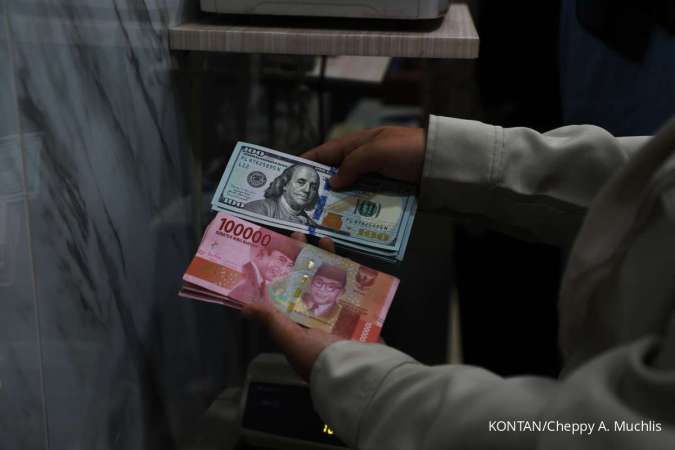
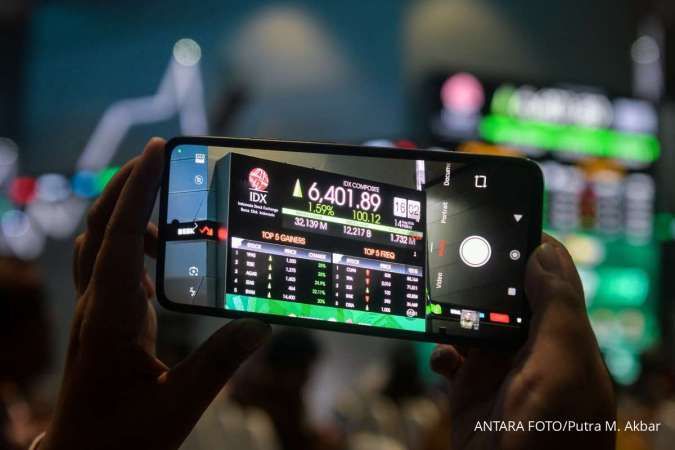
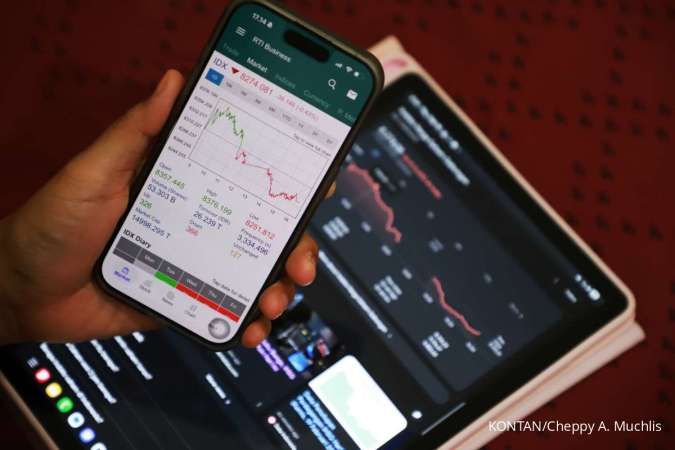
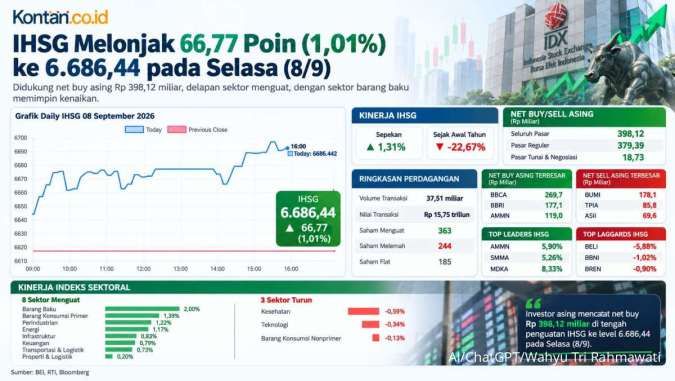
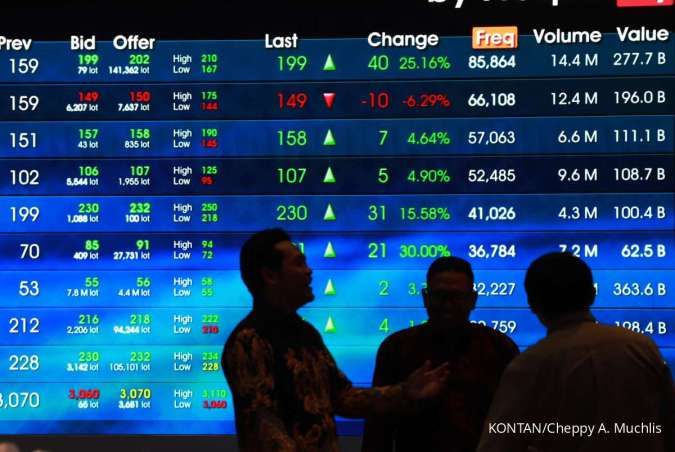
KONTAN.CO.ID - JAKARTA — The Indonesia Stock Exchange (IDX) is bracing for heightened capital volatility over the coming week as international institutional investors recalibrate emerging market portfolios ahead of crucial global monetary policy milestones. The Jakarta Composite Index (IHSG) closed its latest weekly trading bracket down 1.43% to settle at 6.541, shifting into a distinct consolidation channel bounded between 6,400 and 6,700. Capital market analysts stress that equity performance remains heavily tethered to the Federal Reserve’s upcoming FOMC decision on September 15–16, alongside the structural headwinds of elevated US Treasury yields and shifting global crude oil metrics.
Baca Juga: Indonesia’s Trans-Sumatra Toll Road Spans 982 KM in Operational Boost Tactical Equity Rotation Over Broad-Based Buying
Despite the weekly market pullback, market observers note that targeted foreign inflows have begun trickling back into the domestic ecosystem. However, University of Indonesia capital market professor Budi Frensidy clarifies that this cross-border capital movement does not yet represent a sweeping, broad-based buying spree. "Foreign inflow will act as a major bullish catalyst if it sustains consistency, as international funds inherently target highly liquid, large-cap equities," Frensidy stated. Up to the latest trading close, foreign institutional participants executed net-buy positions in heavyweights such as PT Bank Rakyat Indonesia Tbk (BBRI), PT Bank Mandiri Tbk (BMRI), and PT Telkom Indonesia Tbk (TLKM), despite an overarching net-sell across the aggregate index.
Baca Juga: Indonesia’s Macro Outlook Plunges to 28 as Business Sentimen Sours Corporate Expansion Strains vs. Long-Term Target Thresholds
Beyond macroeconomic indicators, the market is digesting a wave of corporate restructuring. Total rights issue realizations on the IDX hit IDR 15.8 trillion by late July, creating localized dilution risks.
Analysts point out that these capital raises will only serve as positive stock catalysts if the proceeds are explicitly funneled into productive corporate expansion rather than balance-sheet debt retirement. Looking toward the multi-year investment horizon, the long-term forecast for Indonesia’s equity market remains structurally robust. Under a conservative baseline scenario, the IHSG is projected to trend toward the 6,800 to 7,200 range by the end of 2026. Furthermore, if the domestic currency solidifies its recovery from historic lows of Rp 18,200 down toward current stable thresholds, and global yields experience downward adjustments, a bullish trajectory could push the index toward 7,400. To capture this upside, international macro desks are heavily favoring defensive yield play sectors, specifically tier-one banking, telecommunications, and commodity-backed metals and mining lines.
Baca Juga: China’s Midea Hits 3 Million Units in Indonesia, Boosts Global Export Hub