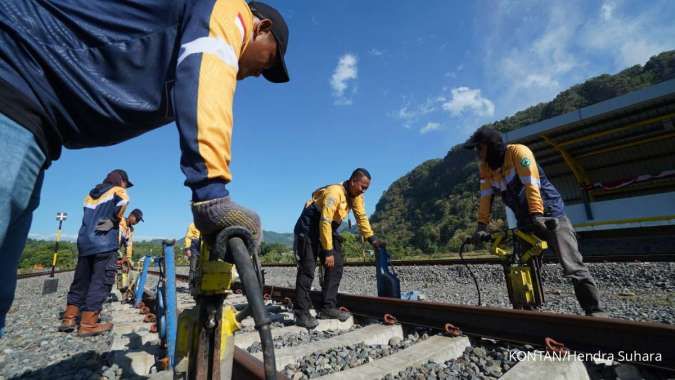
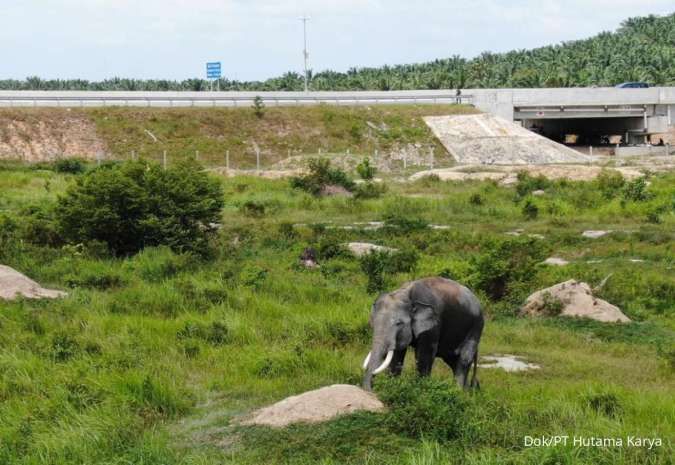
KONTAN.CO.ID - JAKARTA — State-backed engineering and infrastructure conglomerate PT Hutama Karya (Persero) has significantly advanced regional connectivity in Southeast Asia's largest economy, recording massive operational breakthroughs within its Trans-Sumatra Toll Road (JTTS) framework. Up to August 2026, the total infrastructure footprint managed under Hutama Karya's portfolio reached 1,161 kilometers (km). Out of this comprehensive network, 982 km has been fully operationalized and integrated into the public logistics grid.
Baca Juga: Indonesia’s Macro Outlook Plunges to 28 as Business Sentimen Sours Driving Logistical Efficiency Across 15 Major Corridors.
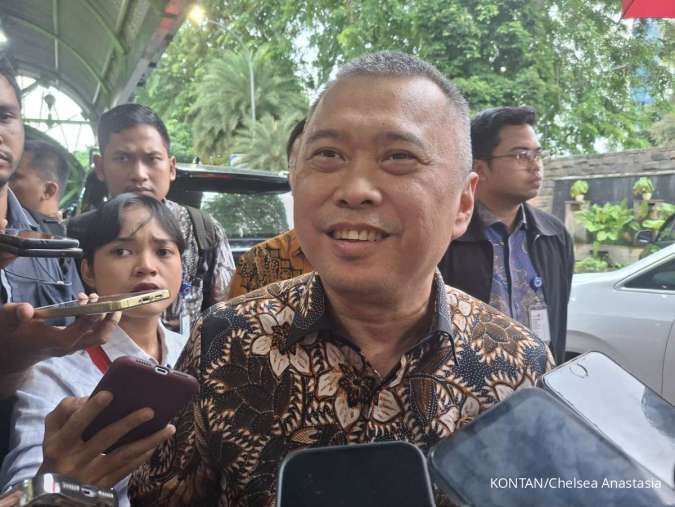
"The step-by-step construction and commercial activation of these toll segments are actively accelerating cross-provincial connectivity and minimizing freight transit friction across Sumatra," stated Hamdani, Pj. EVP Corporate Secretary of Hutama Karya. The operational grid now spans 15 vital routes connecting major economic hubs, including the 140-km Bakauheni-Terbanggi Besar artery and the 189-km Terbanggi Besar-Kayu Agung spine. Financing and asset distribution models highlight a strategic mix of public and sovereign wealth support. While Hutama Karya remains the primary development vehicle, the management of premium arterial networks like the Medan-Binjai and Bakauheni-Terbanggi Besar routes has been transitioned to the Indonesia Investment Authority (INA), the country's sovereign wealth fund. Concurrently, specialized sections are managed via specialized concessionaires, such as PT Hutama Marga Waskita.
Baca Juga: China’s Midea Hits 3 Million Units in Indonesia, Boosts Global Export Hub De-risking Regional Supply Chains Outside Java
As a core pillar of the central government’s National Strategic Project (PSN) blueprint, the JTTS network is fundamentally designed to capture economic value outside the traditional industrial core of Java.
The 982 km of active corridors represents an 84.5% execution rate of current construction phases, establishing a high-speed logistical backbone that links regional manufacturing plants, deep-water ports, and agricultural production centers. From a regulatory standpoint, this massive mobilization of state capital is anchored under Presidential Regulation (Perpres) No. 100/2014, backed by subsequent sovereign financial guarantees. For global logistics firms and emerging-market private equity funds, this structural shift drastically alters travel times and enhances the long-term bankability of industrial estates emerging along Sumatra’s trade corridors.
Baca Juga: Indonesia’s Gudang Garam Sees No Financial Boost From Dhoho Airport