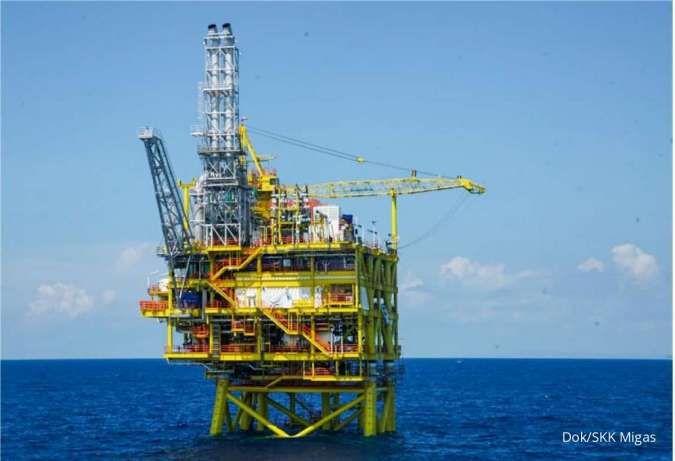
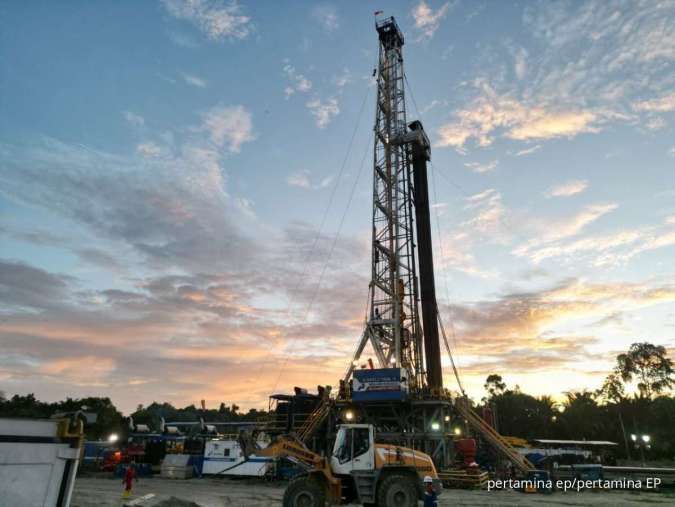
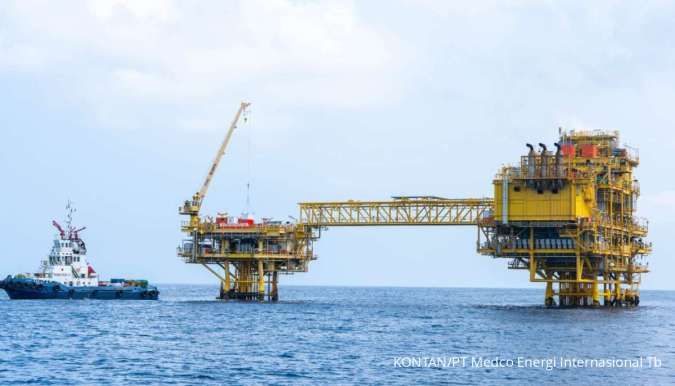
KONTAN.CO.ID - Amid increasing global energy competition and ongoing geopolitical tensions, the availability of oil and gas to meet energy demands has become a key priority for many countries. As one of the world’s upstream oil and gas investment destinations, Indonesia continues to strengthen its approach to remain attractive to global energy companies compared to other producing nations. To support this initiative, the Indonesian Petroleum Association (IPA), together with its appointed consultants, has conducted a benchmarking study. This study provides an objective assessment of Indonesia's investment climate attractiveness against seven other producing nations, including the USA (Gulf of Mexico), Angola, Australia, Brazil, Guyana, Malaysia, and Vietnam. The urgency to enhance upstream investment competitiveness is evident from the current national energy landscape. Although 2025 oil lifting reached 605,000 barrels per day (meeting 100% of the state budget target), this figure only supplies about one-third of the average daily fuel consumption of 232,417 kiloliters. A heavy reliance on mature fields—which face a natural decline of 16%–20% annually—underscores Indonesia’s desperate need for fresh investment to drive aggressive exploration.
Measuring the Investment Competitiveness of Indonesia’s Oil and Gas Sector
KONTAN.CO.ID - Amid increasing global energy competition and ongoing geopolitical tensions, the availability of oil and gas to meet energy demands has become a key priority for many countries. As one of the world’s upstream oil and gas investment destinations, Indonesia continues to strengthen its approach to remain attractive to global energy companies compared to other producing nations. To support this initiative, the Indonesian Petroleum Association (IPA), together with its appointed consultants, has conducted a benchmarking study. This study provides an objective assessment of Indonesia's investment climate attractiveness against seven other producing nations, including the USA (Gulf of Mexico), Angola, Australia, Brazil, Guyana, Malaysia, and Vietnam. The urgency to enhance upstream investment competitiveness is evident from the current national energy landscape. Although 2025 oil lifting reached 605,000 barrels per day (meeting 100% of the state budget target), this figure only supplies about one-third of the average daily fuel consumption of 232,417 kiloliters. A heavy reliance on mature fields—which face a natural decline of 16%–20% annually—underscores Indonesia’s desperate need for fresh investment to drive aggressive exploration.
TAG: